Rust streamer servers explained what happens when chaos meets roleplay
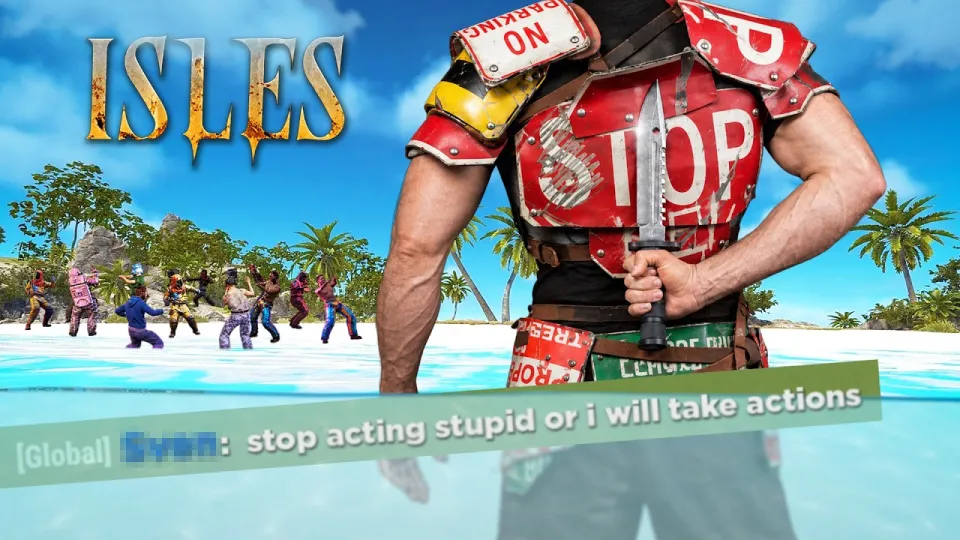
Video: Not Another Rust Streamer Server
Need articles like this for your video? They help promote it on YouTube and Google — order them in the Telegram bot @sat_sit_bot. The bot writes and publishes the articles itself (with your YouTube video embedded) on popular topical websites (no ads). Your first 50 articles are free.
· based on the channel Stimpee
Key takeaways
- Streamer servers are private Rust worlds where content creators play together under admin supervision.
- Rust Isles is a pirate-themed roleplay server that recently invited Stimpee, known for chaotic solo play.
- Admins actively monitor inventories and remove items to prevent streamer-driven chaos.
- Clans on such servers often expect loyalty, leading to conflict when streamers improvise.
- Viewers compare streamer servers to adult versions of kids' parties, with rules and drama.
Rust streamer servers are private, admin-moderated Rust worlds where invited content creators play together, often with roleplay rules and a shared theme. They differ from public servers in that access is limited, moderation is hands-on, and the social dynamics are as much a part of the show as the gameplay. Stimpee’s recent visit to the pirate-themed Rust Isles, documented in his video “Not Another Rust Streamer Server,” shows what happens when a notorious solo player enters a carefully managed ecosystem. You can watch Stimpee live on Twitch to see similar chaos unfold.
What makes a Rust streamer server different from a public server
A Rust streamer server is a closed environment built for content creation, not for the general public. Access is typically by invitation or application, and the player base consists of streamers, YouTubers, and sometimes their friends. The goal is to generate entertaining interactions, so admins often encourage roleplay, events, and cross-streamer collaborations. However, this also means stricter rules: admins monitor inventories, remove items that could break the balance, and intervene when conflicts get out of hand. On public servers, you might never see an admin; on a streamer server, they are active participants, sometimes to the point of policing what you carry. Stimpee’s experience highlights this: admins removed his weapons of mass destruction to prevent him from dominating too quickly, a move that viewers found both hilarious and telling.
Rust Isles: a pirate-themed roleplay experiment
Rust Isles is a streamer server with a pirate theme, encouraging players to form crews, sail boats, and engage in maritime roleplay. The server’s rules likely emphasize collaboration and discourage random betrayal, but as Stimpee discovered, the line between roleplay and griefing is blurry. In the video, Stimpee joins a clan led by Sven, who expects loyalty. Instead, Stimpee hijacks a boat and strands his crew on an island, a move that Sven takes personally and complains about in chat. This incident raises a common question: on a roleplay server, is betrayal allowed if it fits the pirate theme? The answer depends on the server’s specific rules, but often admins expect a certain level of consent and narrative coherence. Streamers like Stimpee, known for chaotic solo play, test those boundaries, turning a structured roleplay scenario into unpredictable entertainment.
How admins manage chaos and why they watch Stimpee closely
Admins on streamer servers are tasked with keeping the content fun for everyone, which means they sometimes have to rein in players who are too effective at causing mayhem. Stimpee’s reputation precedes him: he is known for troll bases, roof camping, and generally making life difficult for others. On Rust Isles, admins apparently went into his inventory to confiscate items, a level of oversight rarely seen on public servers. This is not just about fairness; it’s about preserving the server’s ecosystem. If one player dominates too early, others might quit or lose interest, reducing the pool of content. Viewers noted the irony: Stimpee, often seen as a menace, is treated like a threat that needs to be nerfed. The admins’ vigilance also creates a meta-game: Stimpee tries to outsmart them, and the audience enjoys the cat-and-mouse dynamic.
The social dynamics of streamer servers: clans, loyalty, and drama
Streamer servers are social microcosms where alliances form quickly and dissolve even faster. Clans expect loyalty, but streamers have their own audiences and content goals, which can lead to conflict. In Stimpee’s case, Sven’s clan assumed he would be a team player, but Stimpee’s improvisation—stealing the boat and abandoning the crew—was seen as a betrayal. This kind of drama is a staple of streamer servers: it generates clips, discussion, and memes. However, it also reveals a tension between roleplay and genuine frustration. Some players invest heavily in the narrative, while others treat it as a sandbox for chaos. The result is a mix of scripted and unscripted moments that can feel like a reality TV show. As one viewer put it, these servers are like being invited to a kids’ birthday party as an adult—everyone is playing a role, but the emotions can be real.
Why viewers find streamer servers both entertaining and cringeworthy
Streamer servers often evoke strong reactions from viewers, ranging from amusement to secondhand embarrassment. On one hand, they offer a chance to see favorite creators interact in ways that rarely happen on public servers; on the other, the forced roleplay and heightened drama can feel artificial. Comments on Stimpee’s video reflect this ambivalence: some compare the server to a VR chat lobby, others cringe at the adult streamers sounding like children. The appeal lies in the unpredictability—Stimpee’s presence alone guarantees that the carefully constructed rules will be tested. For many, the highlight is seeing how the server’s social order reacts to an agent of chaos. It’s less about the gameplay and more about the human interactions, both genuine and performed.
Common questions about Rust streamer servers answered
Many viewers wonder how to join a streamer server, whether they can play with their favorite creators, and what the rules really are. The short answer: access is usually by invitation only, often extended to established streamers or those with a specific content style. Some servers have application processes, but competition is high. Rules vary widely: some emphasize roleplay and discourage any form of griefing, while others allow betrayal if it’s part of the narrative. Admins typically have the final say, and they may remove items or intervene to keep the server balanced. For viewers, the best way to experience these servers is through streams and videos, as direct access is limited. If you’re a streamer looking to join, building a reputation for entertaining content and networking with existing members can help.
Useful links
- Stimpee on Twitch — live gameplay and streamer server antics.
- Stimpee on Twitter — updates and announcements.
- Stimpee on Instagram — behind-the-scenes content.
- Stimpee’s Discord — community chat and events.
Final thoughts on Rust streamer servers and Stimpee’s role
Stimpee’s visit to Rust Isles illustrates why streamer servers remain a popular format: they combine survival gameplay with social experiment, producing moments that are both frustrating and unforgettable. The tension between structured roleplay and spontaneous chaos is what keeps audiences engaged, and Stimpee, as the author of this breakdown, embodies that tension perfectly. Whether you see these servers as glorified playgrounds or genuine creative communities, they offer a unique window into the personalities behind the streams. For more of Stimpee’s adventures, follow him on Twitch and see how he navigates the next server he’s invited to.
Questions & answers
Can anyone join a Rust streamer server?
No, access is typically by invitation only. Server owners invite streamers they think will create engaging content, and sometimes there are application processes, but spots are limited and competitive. Viewers can watch their favorite streamers play on these servers but usually cannot join themselves.
Are betrayals allowed on roleplay-focused Rust servers?
It depends on the server’s rules. Some roleplay servers require consent for major betrayals or expect players to stay in character, while others allow any action that fits the theme. Admins often intervene if a betrayal seems to break the spirit of the server or causes genuine upset, as seen when Stimpee’s boat hijack upset his clan leader.
Why do admins on streamer servers monitor inventories so closely?
Admins want to prevent any single player from becoming too powerful too quickly, which could ruin the experience for others and reduce overall content. By removing overpowered items, they maintain balance and prolong the server’s lifespan. This is especially important when a player like Stimpee, known for chaotic play, joins the server.
What is the appeal of watching streamer servers compared to regular Rust gameplay?
Streamer servers offer a mix of gameplay and social interaction that is hard to find on public servers. Viewers enjoy seeing their favorite creators collaborate, compete, and sometimes clash in a controlled environment. The drama, roleplay, and unpredictable moments create a reality-show-like experience that keeps audiences entertained.